Our impact - from research to reality

DTU Startup Developing the Foods of the Future

Tempty Foods is a Danish food-tech startup founded by students from the Technical University of Denmark (DTU). The company focuses on developing sustainable and tasty foods based on mycoprotein – a nutritious and environmentally friendly protein source derived from fungi.

They are the first Danish company to launch products using Marlow Ingredients mycoprotein, used in Quorn® products. Tempty Foods has been part of the GreenUP Accelerator at DTU Science Park and has received awards including:

  • “DTU Startup of the Year 2022”
  • “Best Vegan Startup 2023”

Biophero - sold to FMC Corporation in 2023 for EUR 190 million

Biophero was founded by Irina Borodina with a vision to revolutionize agriculture through sustainable and targeted pest control. Biophero develops biologically produced pheromones used to disrupt mating behaviour in insect species, reducing the need for chemical pesticides.

Biophero is a spinout from DTU Bioengineering.

DTU played a central role in developing the platform enabling large-scale and cost-effective production of pheromones.

Spinout: Dying jeans without hazardous chemicals

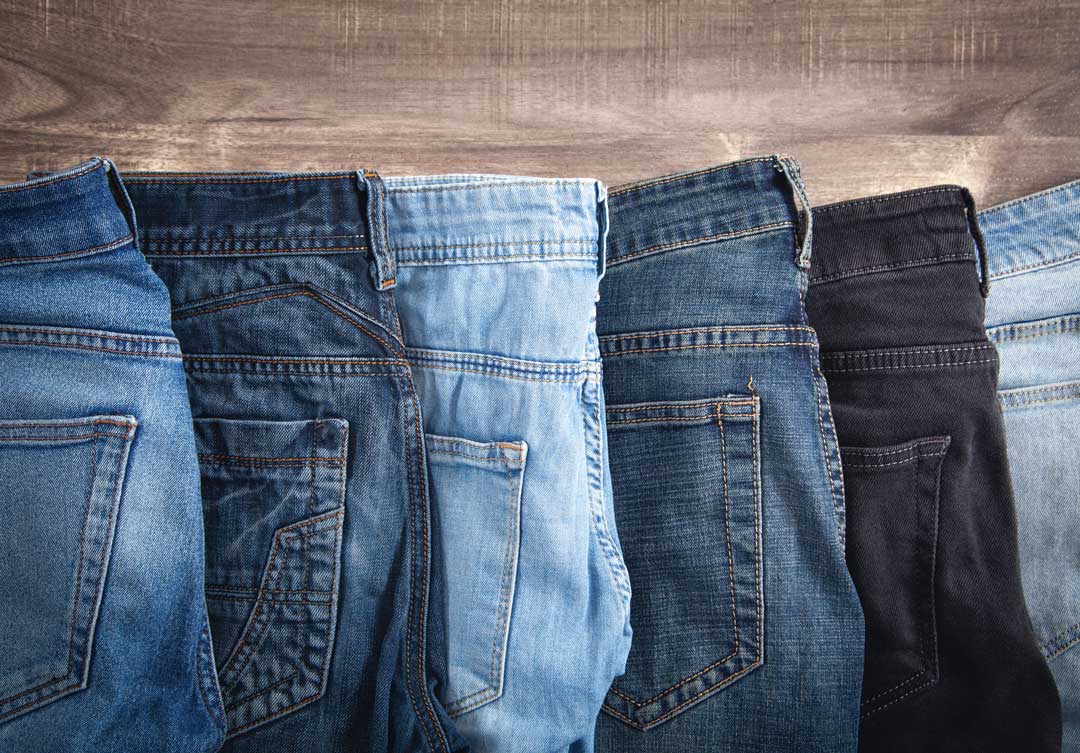
The synthetic indigo that gives jeans their colour requires hazardous chemicals that poison waterways and endanger the workers who handle them. A DTU spinout can fix that.

The DTU-spinout NordicBlue Aps headed by DTU Professor Ditte Welner has developed an enzyme-based dyeing method that eliminates hazardous chemicals from denim production entirely. The company recently installed a pilot-scale enzymatic dyeing machine - one of only three in the world - and has already produced its first pair of jeans using the technology.

Regulatory pressure on the fashion industry is mounting across Europe and the industry knows change is coming. NordicBlue is ready with a biosolution, when the global textile industry are ready to move.

Biosustain

Mycelium as future food – tested at Michelin-restaurant

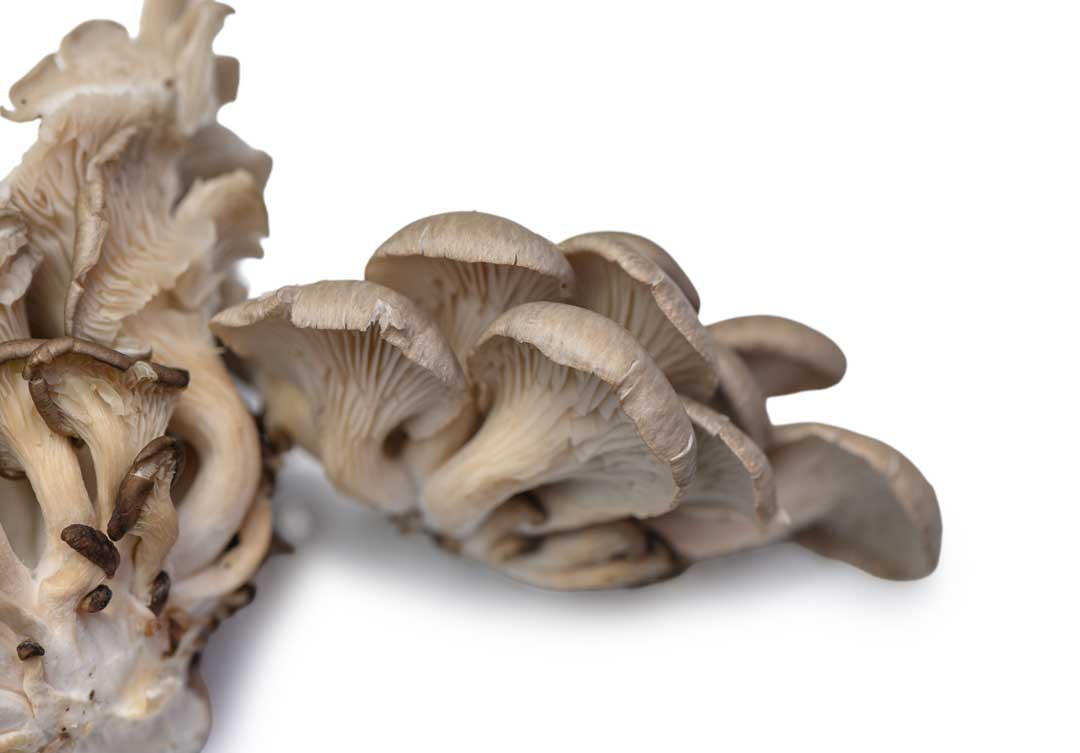
Scientists from DTU and chefs teamed up to explore an unexpected future food: the root-like mycelium of the oyster mushroom. In the study, led by Associate Prof. Leonie Johanna Jahn, postdoc Loes van Dam and the former Head of R&D at the Alchemist Diego Prado, found together with a team of scientists that oyster mushroom mycelium could be a safe, nutritious and sustainable ingredient, with strong potential as a next-generation protein source.

The mycelium grows quickly on complex substrates, has nutritional qualities similar to the mushroom itself, and contains no detectable regulated mycotoxins in the tested samples. Even more intriguingly, tasters responded positively when it was transformed into a dish also served at the renowned Alchemist in Copenhagen. The qualities they responded to most were umami and a texture reminiscent of cooked meat.

BRIGHT

Startup: Scalable biological alternatives to chemical pesticides

Mycoverse is an agri-tech startup founded in 2024, spun out of DTU. The company focuses on developing biological crop protection solutions using fungi, aiming to reduce reliance on chemical pesticides.

Today agriculture relies heavily on chemical pesticides to protect yields. Removing them without effective alternatives risks significant yield losses—up to 70%—which could drive land-use expansion and increase CO₂ emissions. By enabling high-performing biofungicides, it is possible to maintain crop yields.

In crops like wheat replacing chemical fungicides with biofungicides can prevent yield losses and unlock major climate benefits, estimated at up to 1 million tons of CO₂e savings in Denmark alone.

Mycoverses discovery platform is also applicable beyond agriculture, such as pharma, food and feed industries.

DTU Bioengineering

Spinout: Helps farmers grow more with less water, chemistry, and risk

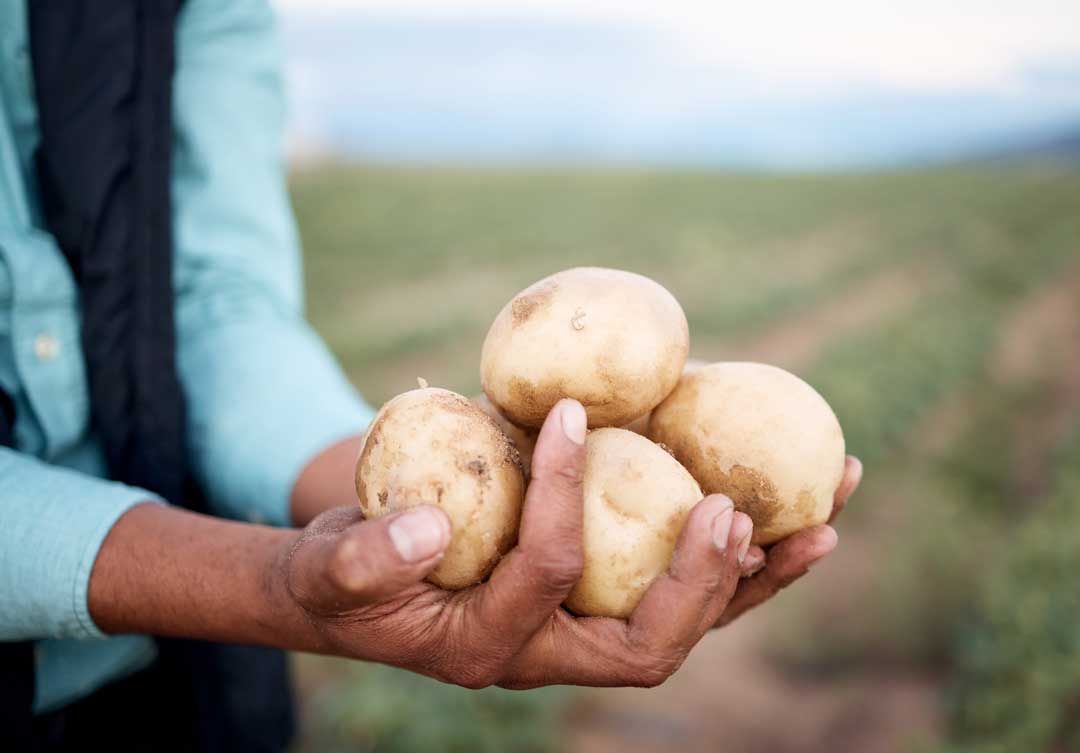
Agrobiomics develops nature-derived biomolecules produced by a soil bacterium - discovered at DTU - that allow farmers to grow more, with less water, less chemistry, and less risk.

Climate change is increasing abiotic stress factors such as drought and soil salinity, threatening global crop yields and food security. The biostimulants enhances plants’ natural processes and enables higher and more stable yields under changing environmental conditions. They improve nutrient uptake, soil microbiological activity, and resilience to climate stress.

DTU Bioengineering

Read more: Bæredygtige Biostimulanter til Fremtidens Landbrug

Animal-free dairy made possible

Dairy without cows is one of the promising frontiers in sustainable food. The global dairy industry generates significant greenhouse gas emissions, consumes vast amounts of land and water, and still cannot meet the protein demands of a growing population.

A DTU-led research team has shown that casein—the key milk protein—can be produced in microbes with the modifications needed for it to function. Led by Professor Peter Ruhdal Jensen, the breakthrough solves a long-standing challenge in animal-free dairy: recombinant casein has lacked phosphorylation, a modification essential for calcium binding and proper structure.

The team demonstrated two biological methods to achieve this outside the cow, enabling functional dairy proteins without animal production.

The wider project, The Casein Mission, supported by NNF, aims to build the scientific foundation for industrial-scale production of functional, animal-free casein.

DTU Food

Read more: Yeast, bacteria, and fungi to produce protein-rich foods

Bacteria breaks down fish waste while recycling over 95% of the water

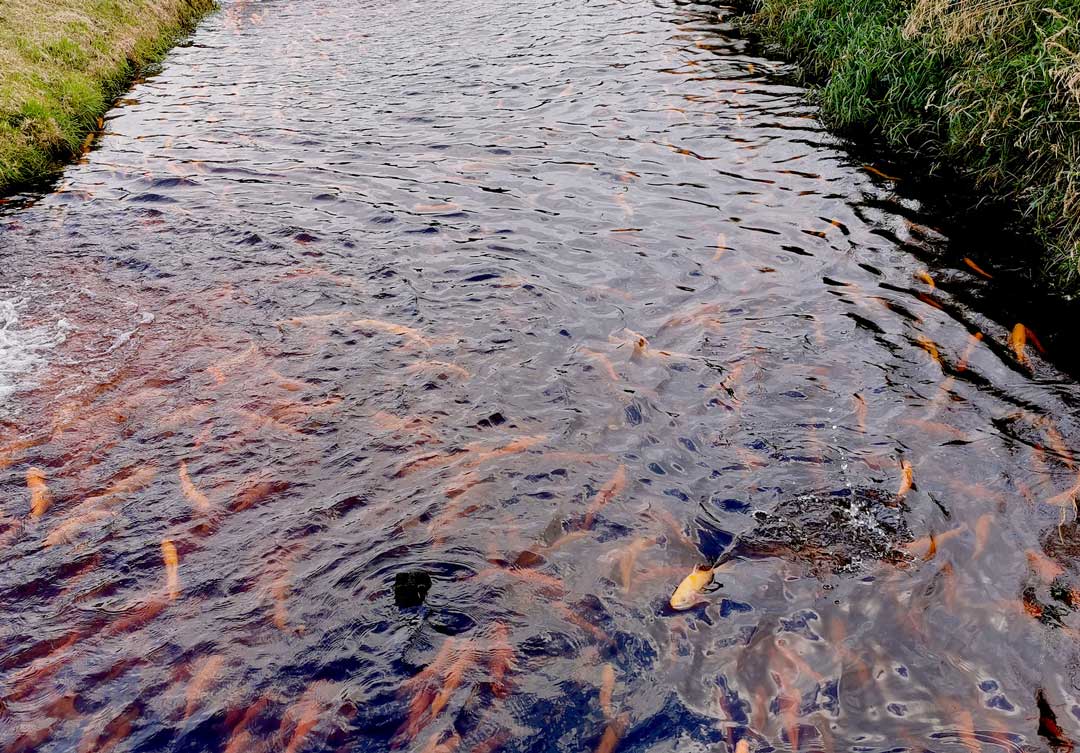
Fish farming is under pressure- wild stocks are depleted, but conventional aquaculture pollutes coastal waters with excess nutrients. DTU researchers are tackling this with a biosolution: bacteria. Inside closed, land-based RAS facilities, carefully tuned microbial communities break down fish waste converting toxic ammonia into harmless nitrogen gas while recycling over 95% of the water.

By precisely controlling oxygen, pH and temperature, DTU has cut nutrient discharge by more than 85%, while eliminating a hidden climate risk: a poorly managed process that would otherwise release nitrous oxide, a greenhouse gas 300 times more potent than CO₂.

This means farmers can produce up to 50% more fish in the same facility without increasing their environmental footprint. Looking ahead, DTU is developing AI to automate water quality management entirely making this technology scalable and accessible to the wider industry.

DTU Aqua

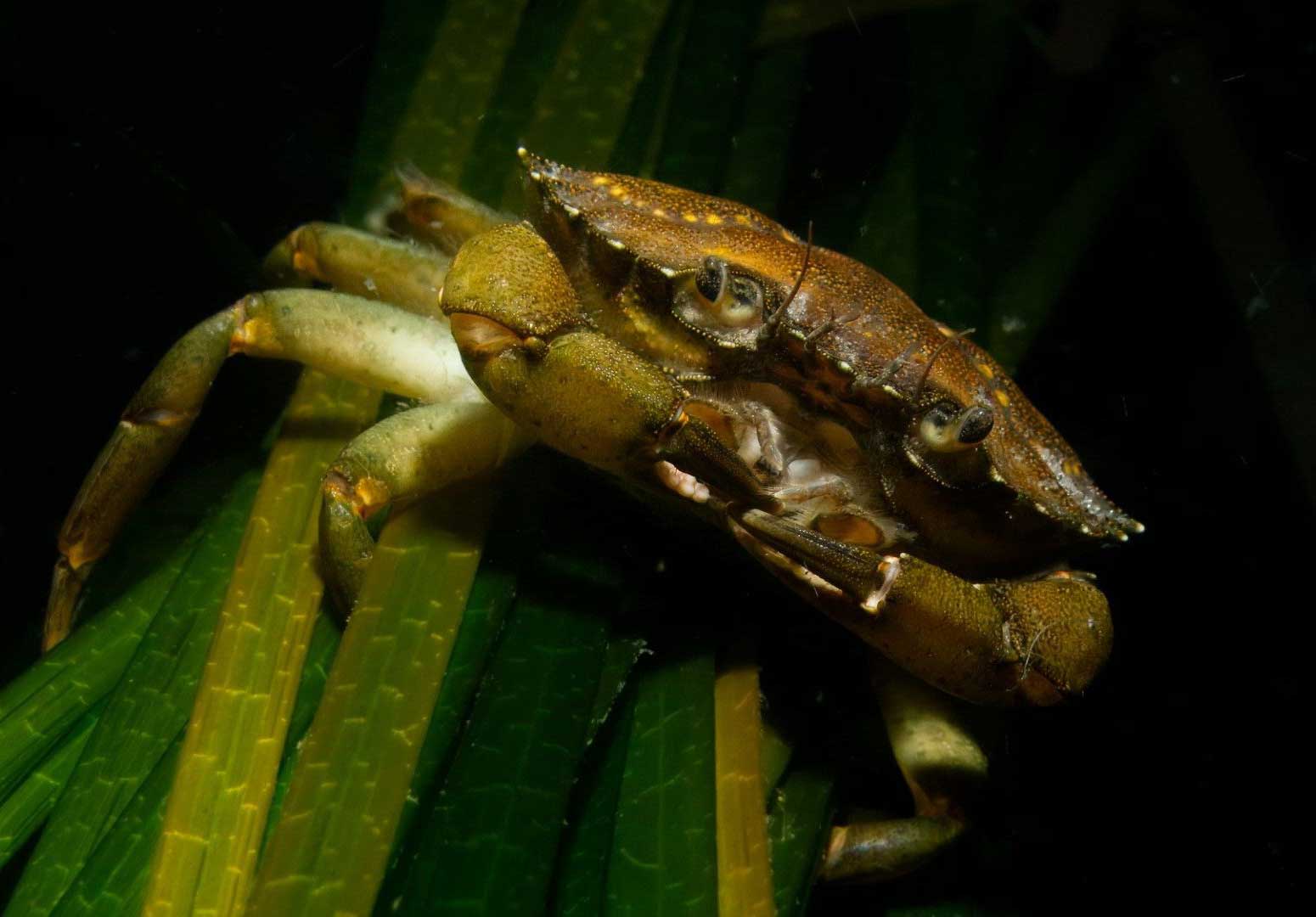
From bycatch to value: sustainable use of shore crabs

The KRABFISK project led by researchers at DTU addresses the ecological and economic challenges posed by invasive shore crabs along Danish coasts. The crabs damage marine biodiversity and are an unwanted bycatch for fishermen with little market value.

The project develops low-energy, fermentation-based storage methods that make it possible to preserve crabs onshore without costly cooling, enabling year-round handling. By turning this underutilized resource into products such as flavour enhancers or protein for animal feed, the project aims to create economic incentives for harvesting while reducing environmental impact.

Spinout: Green indigo dyeing

Green Indigo develops a light-based technology that enables more sustainable indigo dyeing designed for industrial application in denim production.

The project replaces chemical intensive steps during the dyeing process with controlled light. By using the natural precursor indican combined with near UV light, the indigo is produced directly on the textile yarn - without the use of toxic chemicals and with significantly reduced water consumption and waste.

DTU Kemi

Read more: DTU professor Katrine Qvortrup præsenterer indigo innovation på Open Entrepreneurship Conference 2026

Spinout: Converting raw biogas into renewable fuels

Reformable converts raw biogas (CO2 and CH4) directly into syngas used for renewable fuels and chemicals. This enables a direct replacement of fossil-derived fuels and chemicals, reducing emissions, increasing biogas value, and allowing for cost-effective production of low-carbon fuels.

DTU Kemi

Reformable on LinkedIn